Tanzania, a land of incredible landscapes and vibrant wildlife, is a dream destination for any nature enthusiast. Home to some of the most iconic wildlife reserves and national parks in the world, Tanzania offers an unparalleled Wildlife Watching Spots experience. In this listicle, we explore the vibrant ecosystems and hidden gems where you can marvel at Tanzania’s awe-inspiring wildlife encounters.
Famed for the Great Migration, the Serengeti is a breathtaking tapestry of wildlife. From thundering herds of wildebeest to the stealthy big cats, this park offers a dynamic wildlife experience year-round. Visitors can embark on a safari adventure, witnessing the spectacle of predators like lions and cheetahs in action as they follow the migrating herds. Beyond the migration, the Serengeti is home to elephants, giraffes, and a vast array of bird species, making it a versatile destination for wildlife enthusiasts.
For those seeking an immersive experience, consider a hot air balloon ride over the vast plains. As you float above the landscape at sunrise, the panoramic views reveal the Serengeti’s vastness and the intricate patterns of animal movements below. This bird’s-eye view provides a unique perspective on the ecosystem, highlighting the interaction between the diverse species that inhabit this cherished expanse.
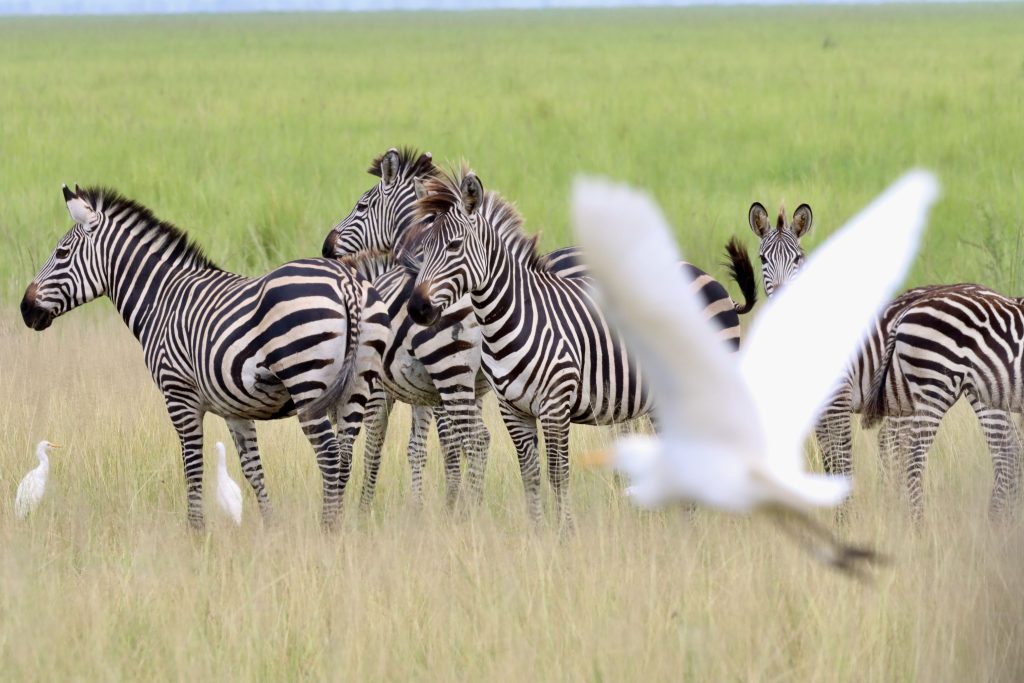
A UNESCO World Heritage site, Ngorongoro Crater is a natural amphitheater bursting with life. Drive down into the crater to witness dense populations of wildebeest, zebras, and the elusive black rhino. This unique environment, with its blend of forest, grassland, and water bodies, supports a wide variety of wildlife. The crater walls create a sheltered habitat that allows different species to thrive away from the harsh conditions found outside it.
The lush landscape also supports a thriving bird population, featuring the vibrant flamingos that gather by the soda lake and many other avian species. Observing these beautiful creatures against the backdrop of the crater walls is an unforgettable sight, emblematic of Tanzania’s rich biodiversity. Don’t miss a visit to the nearby Maasai villages, where you can learn about the traditional lifestyles and culture of the region’s indigenous people.
As Tanzania’s largest national park, Ruaha is a sanctuary for elephant herds and predators like lions and cheetahs. It’s a less-traveled gem perfect for those seeking a more intimate wildlife encounter. The park’s rugged terrain, with its flowing rivers and vast baobab forests, provides a dramatic setting for game viewing. The Great Ruaha River acts as a lifeline for the park, attracting myriad species, especially during the dry season.
Ruaha is a birdwatcher’s paradise, with over 570 species recorded, including the endemic Ruaha red-billed hornbill. The combination of open plains and riverine environments creates habitats favorable for diverse birdlife. Beyond bird watching, visitors can embark on walking safaris that allow for a closer connection to the landscape, offering insights into the complexities of the natural world seldom witnessed from a vehicle and enjoy these Wildlife Watching Spots.
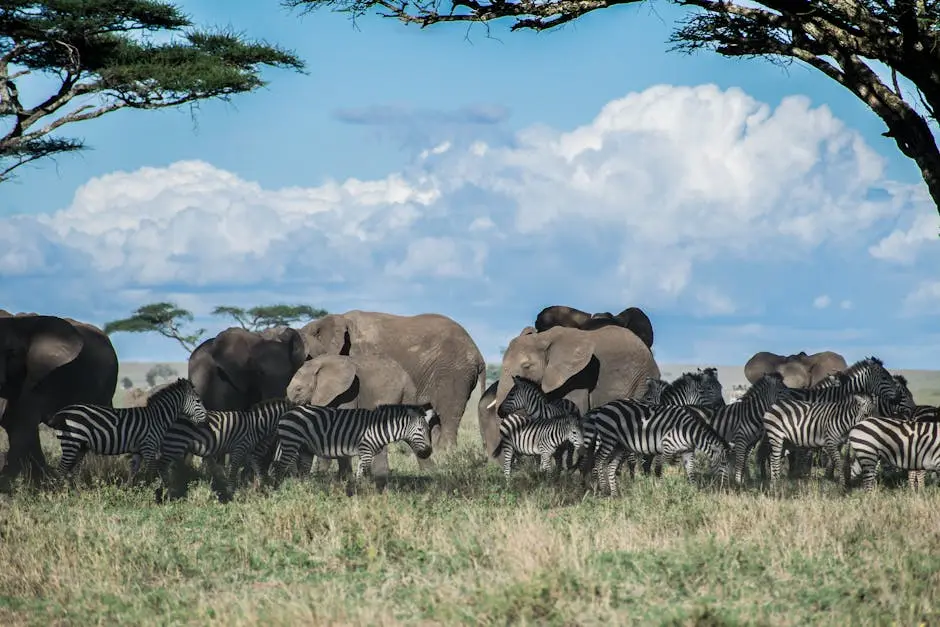
Known for its vast elephant herds, Tarangire National Park is a must-visit. The baobab-strewn landscape adds to the park’s charm, alongside a plethora of bird species for avian enthusiasts. During the dry season, the Tarangire River draws elephants and wildlife from surrounding areas, creating a spectacular wildlife-viewing experience.
In addition to elephants, Tarangire boasts significant populations of giraffe, buffalo, and antelope. The park also serves as a crucial habitat for endangered species such as the fringed-eared oryx. As you traverse Tarangire, lookout for tree-climbing lions and leopards, elusive inhabitants that add to the thrill of exploring this dynamic environment.
Lake Manyara may be small, but it packs a punch with its flamingo-lined shores and acrobatic tree-climbing lions. It’s a birder’s delight with over 400 bird species to admire. The alkaline lake attracts thousands of flamingos, painting a pink hue against the vast sky, creating one of nature’s most colorful spectacles.
Beyond birds, Lake Manyara is home to diverse wildlife which makes it one of the best Wildlife Watching Spots, including buffalo, giraffe, and zebra. The surrounding lush forest is filled with baboons and blue monkeys. A unique experience in Lake Manyara is witnessing the lions who have adapted to spend lazy afternoons in the trees, a behavior not commonly observed elsewhere in Africa.
One of the largest faunal reserves globally, Selous Game Reserve is where the Rufiji River creates a lifeline for wildlife. Traverse through this lush wilderness for remarkable glimpses of hippos, crocodiles, and more.
The Selous’ vast wetlands attract a unique mix of land and aquatic animals, providing a breathtaking venue for boat safaris. Here, you can observe African hunting dogs and observe a spectacular array of avian life that paints the sky.
Venture off the beaten path to discover the vibrant marine life around Mafia Island. Enjoy snorkeling or diving in its crystal-clear waters to witness intricate coral reefs and thriving underwater species.
Besides offering outstanding snorkeling opportunities, Mafia Island is part of Tanzania’s first Marine Park, a protected zone that serves as an important habitat for threatened species like whale sharks. This makes it a must-visit for conservationists and marine enthusiasts.
Katavi National Park offers solitude and raw wilderness like no other. It’s renowned for dense wildlife populations and superb big-cat sightings, offering thrilling moments against a stunning backdrop.
Made famous by Jane Goodall, Gombe Stream National Park provides rare opportunities to trek alongside habituated chimpanzee families as they freely roam the lush landscapes of this dense forest reserve.
The park is relatively small, yet its historical and ecological importance is monumental. Visitors can follow in the footsteps of Jane Goodall’s pioneering work and gain behind-the-scenes insight into the behaviors and social structures of these remarkable primates.
With stunning views of Mount Meru and an extraordinary range of bird species, Arusha National Park is ideal for birdwatchers. Here, vibrant trogons, turacos, and raptors grace the skies.
Arusha’s diverse topography, from rainforests to alkaline lakes, creates a dynamic environment for species diversity. A peaceful walk through the park can yield sightings of giraffes strolling against the backdrop of imposing peaks.