Embarking on a trek to Mount Kilimanjaro is a thrilling adventure that promises breathtaking views and a sense of accomplishment like no other. However, before you lace up your boots and set off on this incredible journey, there are several important considerations to make. This FAQ guide will walk you through the key things you need to know before trekking Mount Kilimanjaro.
Mount Kilimanjaro is not only Africa’s highest peak but also one of the most accessible summits for beginner trekkers. With its diverse climate zones, unique wildlife, and breathtaking views, it attracts adventurers from around the world seeking an unparalleled trekking experience.
Unlike other summits, climbing Kilimanjaro doesn’t require technical mountaineering skills, making it a popular destination for those aiming to reach one of the Seven Summits. Additionally, its presence within a UNESCO World Heritage Site offers trekkers an opportunity to explore the beautiful and protected landscapes of Tanzania.
We at Lucky Safari Tanzania believe in providing our trekkers the best Trekking Mount Kilimanjaro Experience on Mount Kilimanjaro, ensuring that they are equipped, informed, and supported throughout their journey.
Proper preparation begins with understanding the physical demands of the trek. Regular cardiovascular exercises such as hiking, running, or cycling can significantly improve your endurance. Incorporate strength training to build the muscles you’ll use on the mountain.
Mentally preparing for the trek is equally critical. Visualization techniques and setting small, achievable goals can help maintain a positive mindset during long and challenging days on the trail. Remember, mental resilience is as important as physical readiness.
Check out our detailed guide on Training for Kilimanjaro to ensure you’re both physically and mentally prepared for this extraordinary adventure.
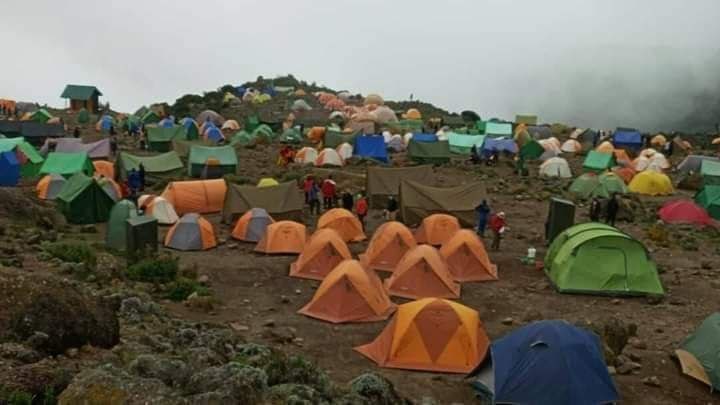
Packing the right gear is crucial for a successful trek. You’ll traverse five distinct climate zones, each requiring different types of clothing. Layering is essential—you’ll need moisture-wicking base layers, insulating layers, and a waterproof top layer.
Other essential items include a durable backpack, quality hiking boots, trekking poles, and a sleeping bag suitable for low temperatures. Don’t forget high-SPF sunscreen, a hat, and UV-protection sunglasses for those sunny yet frigid summit days.
For a comprehensive checklist, our Gear Guide offers tips and recommendations to ensure you’re fully prepared for your trek.
Altitude sickness is a common challenge faced by trekkers on Trekking Mount Kilimanjaro. Symptoms can range from headaches and nausea to more severe cases of pulmonary or cerebral edema. Understanding these symptoms is the first step to acclimatizing effectively.
One of the best strategies for acclimatizing is to follow the ‘climb high, sleep low’ principle. This involves gaining and then descending to a lower elevation to sleep. Staying hydrated and moving at a slow, steady pace can also aid in acclimatization.
Our experienced guides at Lucky Safari Tanzania are trained to help detect early signs of altitude sickness and will implement strategies to assist you in acclimatizing as you trek.
With several routes available, choosing one can seem overwhelming. The Machame Route, also known as the ‘Whiskey Route,’ is popular for its scenic beauty and challenging terrain, while the Marangu Route, or ‘Coca-Cola Route,’ offers hut accommodations along the way.
For those seeking a more remote experience, the Northern Circuit provides an extended duration on the mountain, allowing more time for acclimatization. Each route has its own set of advantages, so consider factors such as duration, scenery, and difficulty level when making your decision.
Discover more about our recommended routes on our Kilimanjaro Routes page, where we break down the specifics of each path.
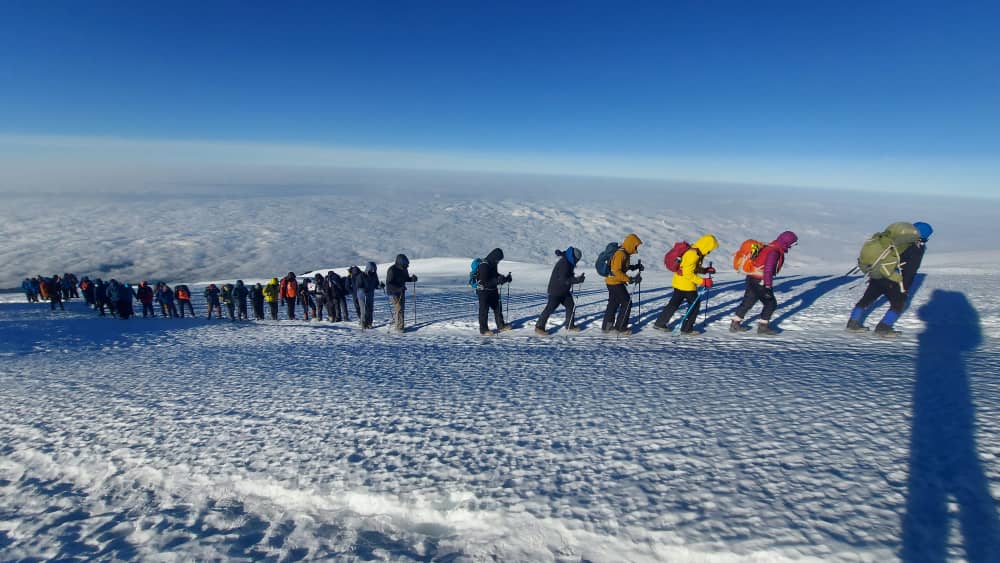
Climbing Mount Kilimanjaro requires several permits, including park entry fees, camping fees, and rescue fees. It’s essential to factor these costs into your budget alongside tips for guides and porters.
Ensuring that all permits are secured prior to your trek is crucial, as you won’t be allowed to proceed without them. Our staff at Lucky Safari Tanzania can handle the paperwork and fee arrangements, allowing you to focus on your adventure.
For a detailed breakdown of all fees involved, visit our Kilimanjaro Fees and Permits page to plan accordingly.
Trekking Mount Kilimanjaro is a once-in-a-lifetime experience that, with adequate preparation and knowledge, can be incredibly rewarding. By understanding the essentials discussed above, you’ll be better equipped to have a safe and unforgettable journey to the Roof of Africa. So gear up, prepare well, and enjoy every step of your ascent.