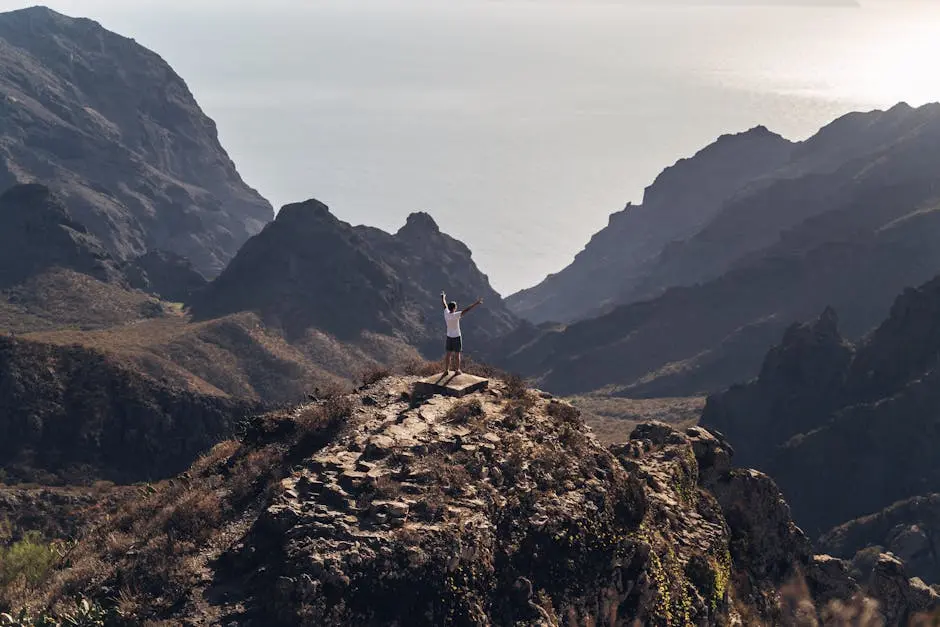
Building a strong cardiovascular base is crucial for the long trek to the summit. Incorporate running, cycling, or swimming into your routine to enhance your endurance and stamina. Long-distance aerobic exercises will prepare your body for the demanding climb. Additionally, including interval training can boost your cardiovascular fitness by alternately pushing your heart rate high and allowing it to recover.
Remember, the goal is to prepare yourself for the fluctuating climbs and descents of the various Mount Kilimanjaro Routes. Regularly exercising will not only improve your stamina for the Mount Kilimanjaro climb, but also enhance your body’s capacity to handle increased altitude.
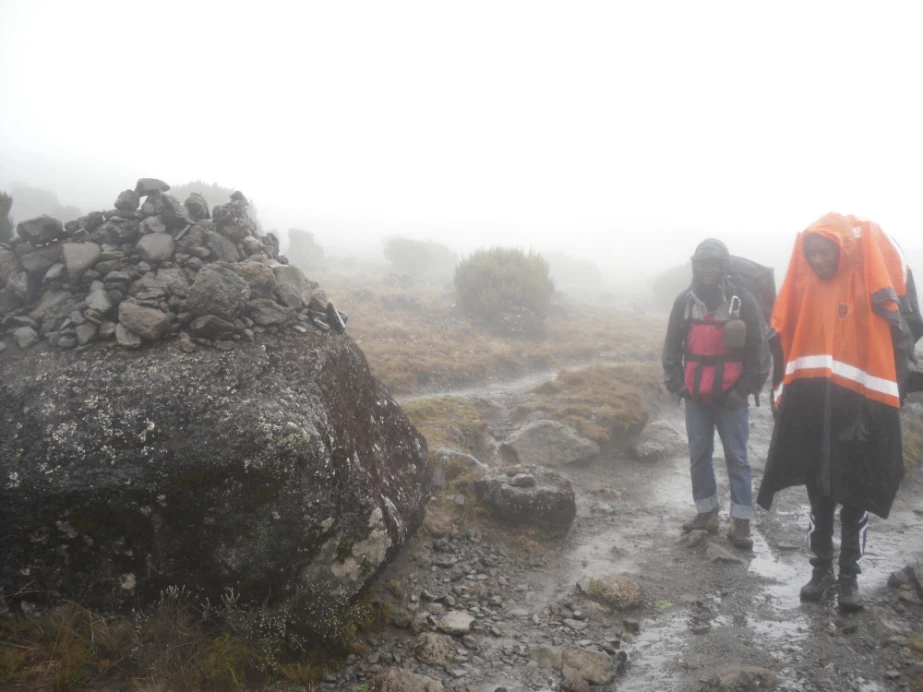
Don’t neglect strength training. Focus on exercises that target your legs, core, and upper body to help you carry your gear and tackle uneven terrain. Use a combination of weight lifting and body-weight exercises. Squats and lunges are excellent for building strength in your quadriceps, hamstrings, and glutes, which are crucial muscle groups when it comes to experience climbing Mount Kilimanjaro.
Additionally, incorporating compound exercises like deadlifts and pull-ups will prepare your whole body for the physical demands encountered during a climb. A strong core will also help you maintain posture and balance while trekking, reducing the risk of injury on uneven paths.
Familiarize yourself with various types of terrain by hiking trails with differing elevations and surfaces. This will prepare your body for the ever-changing landscapes of Kilimanjaro, where the path can be rocky and unpredictable. Mount Kilimanjaro guides often emphasize the importance of this diverse terrain training.
Integrate hikes on grassy hills, rocky slopes, and forest paths to simulate the conditions found on a Mont Kilimanjaro Safari. Such experiences will boost your confidence and comfort level, vital for when you’re hiking at higher altitudes.
Embarking on a Mount Kilimanjaro climb is an adventure of a lifetime. To ensure you’re prepared for the challenges ahead, it’s crucial to incorporate specific fitness hacks into your training regime. These simple yet effective tips will boost your performance and make your journey more enjoyable.
High altitudes can make breathing challenging. Practice deep and controlled breathing to enhance your oxygen intake and overall performance. Techniques such as diaphragmatic breathing can help increase lung capacity.
While training, focus on breathing through your nose which can aid in relaxation and improve oxygen intake efficiency. These techniques are crucial as you climb higher altitudes and require more oxygen, particularly during your Kilimanjaro climbing experience.
Incorporate yoga or stretching exercises into your routine to enhance flexibility. This is essential for maintaining balance on rocky and uneven paths. Often during a Mount Kilimanjaro experience, trekkers encounter paths that require sudden adjustments in stride and body balance.
By stretching regularly, you maintain joint and muscle flexibility, reducing the likelihood of strains and sprains. Yoga, with its focus on both flexibility and concentration, is particularly recommended for those aspiring to conquer Kilimanjaro’s height.
If possible, train in high-altitude areas or consider using an altitude mask during workouts to acclimate your body to lower oxygen levels. Simulating these conditions can improve your ability to adjust to different altitudes during the climb. The goal is to adapt to the thin air experienced during the Mount Kilimanjaro climb.
Stay hydrated and fuel your body with nutrient-rich foods. This is essential for maintaining energy levels and aiding recovery during the climb. Diet plays a crucial role as your nutritional choices impact your endurance, strength, and ability to recover from strenuous activities. Packing energy-boosting snacks will also be vital once you’re on the mountain.
Consuming a balance of macronutrients like proteins, fats, and carbohydrates, alongside micronutrients will prepare your body for the thousand-calorie-burning days of a Kilimanjaro climb. The right balance will keep you fueled and ready for hitting the summit.
Invest in quality hiking gear, especially footwear, to ensure comfort and support. Break in your boots well in advance of the climb. Gear like moisture-wicking clothing, well-fitted packs, and sturdy boots will form the first line of defense against the elements faced during an adventurous Mount Kilimanjaro Safari.
Good gear not only boosts your comfort but also impacts your mental confidence. Feeling prepared with reliable gear prevents distractions and keeps your focus on enjoying the climb and the stunning landscapes surrounding you.
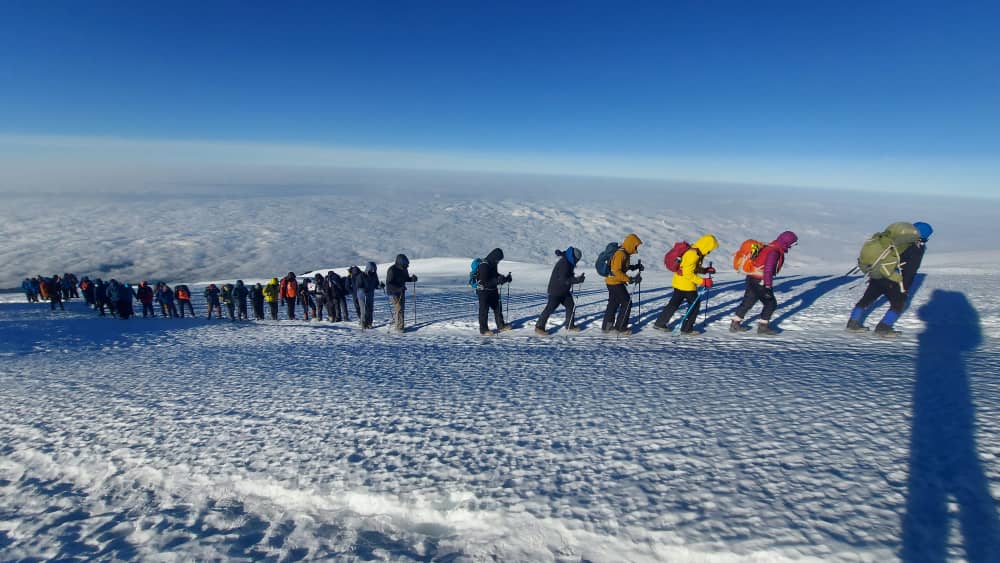
Accustom your body to carrying weight by training with a backpack. Gradually increase the load to mimic what you’ll carry during the climb. This is essential preparation as it strengthens your back, shoulders, and legs, helping you efficiently carry your pack over long distances when you’re hiking up Mount Kilimanjaro.
Training with a backpack also tests your gear setup. Ensure no unnecessary weight is included. The lighter and more compact your pack, the easier it will be to lug along the trail, keeping your focus and energy for the climb itself.
Give your body time to recover by prioritizing rest days. Adequate sleep and recovery are as important as the workouts themselves. Ensuring 7-9 hours of sleep rejuvenates your muscles and allows you to train optimally for those rigorous days expected on the Mount Kilimanjaro routes.
Listen to your body, taking breaks when needed and focusing on holistic wellness including mental relaxation techniques like meditation which assist in mental clarity and stress management during arduous climbs.
Mental toughness is vital. Establish a positive mindset and develop strategies to keep motivated during challenging segments of the climb. Techniques like visualization can help. Picture yourself overcoming difficult parts of the Mount Kilimanjaro climb and reaching the summit.
Experience and stories shared by mountaineers often underscore the impact of mental stamina on such high-altitude expeditions. Work on maintaining focus and motivation throughout, which are equally as important as physical training.
Consider joining a climbing group for support and motivation. Sharing the preparation journey can make the experience more enjoyable and rewarding. Hiking with a group not only provides safety but also offers encouragement when you face daunting ascents during the Kilimanjaro climbing experience.
In a group, you’ll find camaraderie and the shared sense of accomplishment makes every challenging step worthwhile. Plus, the diverse skills and experiences shared in a group can provide invaluable tips and tricks for tackling the climb successfully.