
Have you ever ben asking yourself Questions like “is mount Kilimanjaro active volcano?” ,Mount Kilimanjaro, Africa’s tallest mountain, is not only famous for its majestic peak and stunning landscapes but also for being a volcano. If you’ve ever wondered about the volcanic activity of this iconic mountain, you’re in the right place. In this blog, we’ll explore whether Mount Kilimanjaro is an active volcano and what that means for visitors and the surrounding region.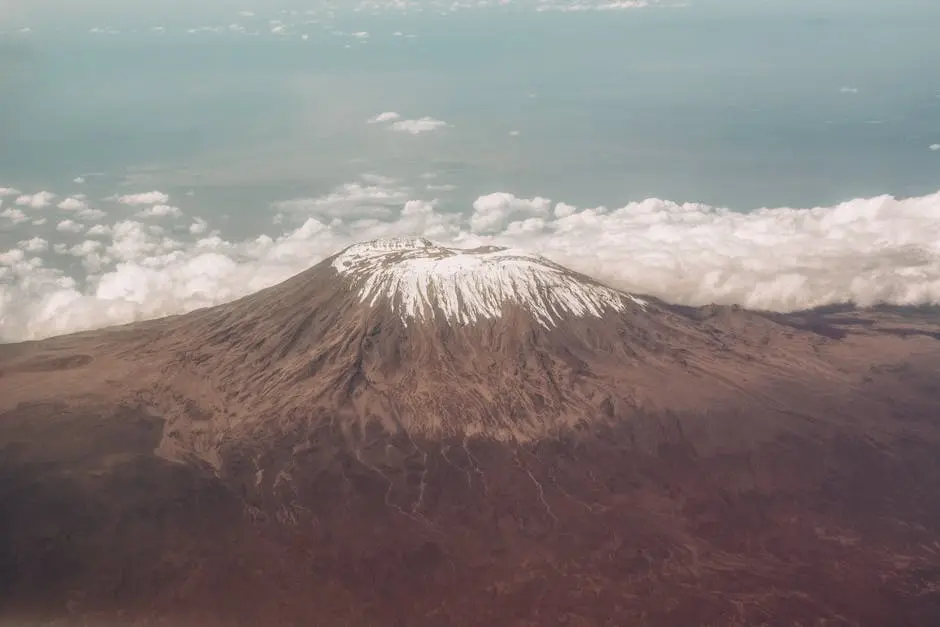
What Makes a Volcano Active, Dormant, or Extinct?
To determine if is mount Kilimanjaro active volcano, scientists look at its eruption history and current activity. An active volcano has erupted recently or shows signs of potential eruption. Dormant volcanoes, like Kilimanjaro, haven’t erupted in a long time but could in the future. Extinct volcanoes are those no longer capable of erupting.
The key distinction between these categories is the volcano’s ability to erupt again. Geologists painstakingly study magma chambers and seismic activity to assess whether a volcano is truly dormant or inching towards an eruption. The science isn’t always exact, but understanding these categories can help in preparing for potential volcanic events.
The Volcanic History of Mount Kilimanjaro
While answering if is mount Kilimanjaro active volcano? let’s go Through the history, Mount Kilimanjaro is comprised of three volcanic cones: Kibo, Mawenzi, and Shira. While Mawenzi and Shira are extinct, Kibo is dormant. The last major eruption here occurred about 360,000 years ago, with the most recent activity dating back 200 years, involving fumaroles on the summit.
The formation of Kilimanjaro’s cones provides a glimpse into its volcanic past. Each cone tells a different story, with Shira being the oldest and now eroded and worn down by time. Mawenzi shows rugged peaks unlikely to erupt again, while Kibo stands as a gentle giant, its slopes covered with ice and snow near the summit.
is mount Kilimanjaro active volcano, Current Signs of Volcanic Activity
Whilst Kilimanjaro does not show significant activity, there are signs like fumaroles emitting gas, proving the presence of magma beneath. These are harmless for climbers but indicate potential future activity.
Scientists regularly monitor Kilimanjaro for subterranean movements. Although the mountain remains quiet, fumaroles and geothermal heat evidence readiness for volcanic resurgence. These indicators assure both a silent yet watchful observance of any dramatic geological flamboyance.
What If Mount Kilimanjaro Erupts?
Now Answering “is mount Kilimanjaro active volcano?”, In the unlikely event of an eruption, geologists would expect ash clouds and minor lava flows. Safety protocols are in place to protect residents and climbers. Monitoring continues to provide early warnings.
Communities near Kilimanjaro benefit from a robust early warning system designed to efficiently disseminate alerts in case of unexpected eruptions. The priority remains public safety, with emergency plans leveraging local and regional coordination.
Even as unlikely as it may seem, an eruption scenario adds an exciting chapter to the story of Kilimanjaro. As we learn more about the mountain, its quiet dominance over the horizon teaches us about the planet’s power and our curiosity around these natural wonders.
Unveiling the Wonders of Mount Kilimanjaro
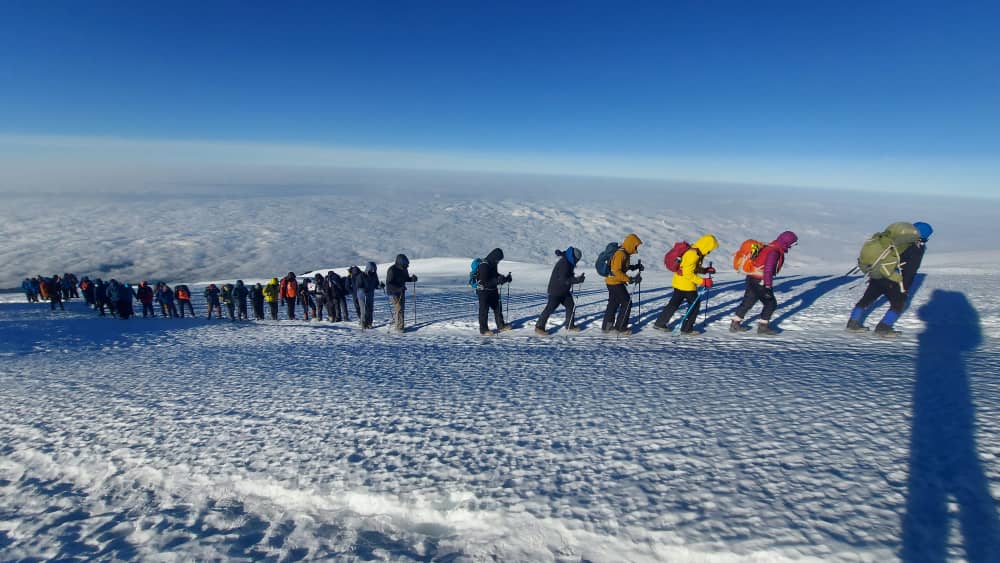
Kilimanjaro, Africa’s highest peak, boasts three volcanic cones and is a major hiking destination. Standing at 5,895 meters, it’s a prominent but shrinking landmark, with glaciers expected to vanish soon. Popular routes include Marangu, Machame, and Lemosho, making it accessible year-round.
Understanding Kilimanjaro’s Dormant Yet Intriguing Nature
While Mount Kilimanjaro is a dormant volcano, it still holds a fascinating history and potential for future activity. Understanding its volcanic nature helps us appreciate both the beauty and complexity of this magnificent mountain. Whether you’re planning a trek or simply curious about geology, Kilimanjaro continues to captivate and inspire.